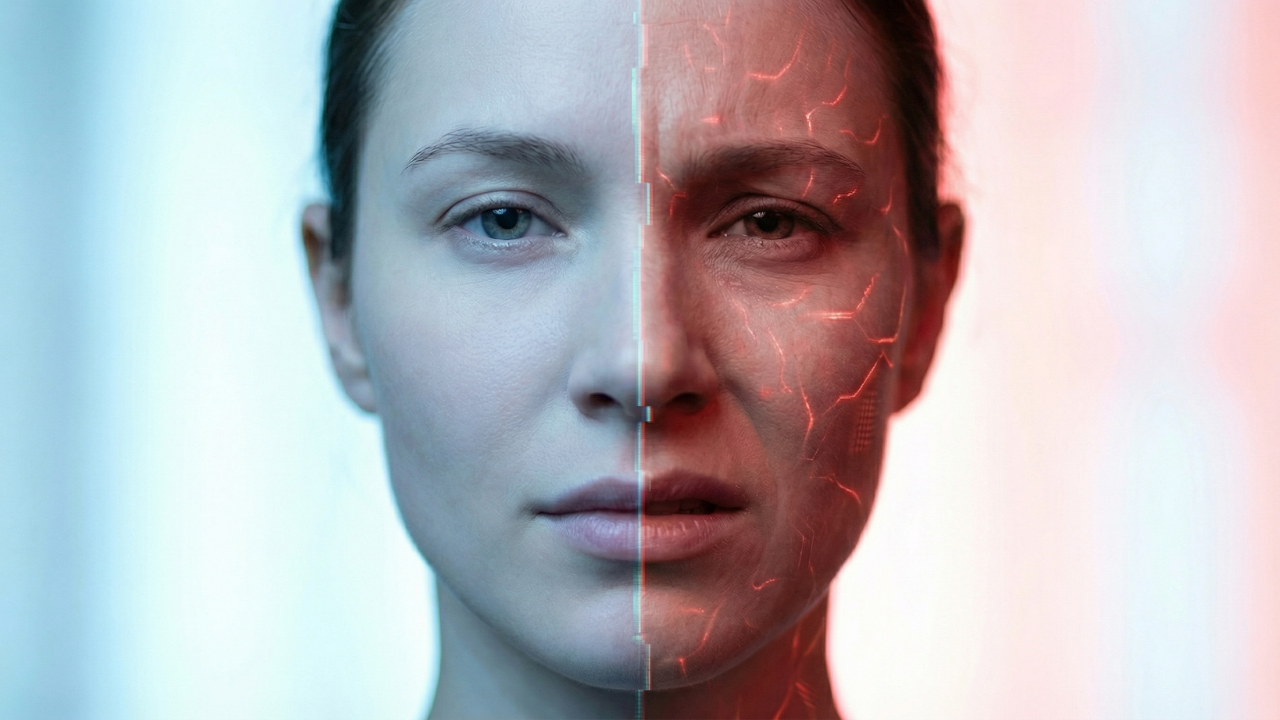
What if I told you that feeling good is not proof that you are healthy — but the most dangerous health illusion of all?
Think about the last time you had a full health checkup. If you’re like most people, the answer will be either “a long time ago” or “never.” The reason is almost always the same: You feel fine. Nothing hurts. Everything seems okay. You’re living your life, going about your days, and your body isn’t sending any obvious warning signs. So why would you need a checkup?
But here is a very important detail. The most dangerous diseases in the world — the ones that kill the most people — don’t reveal themselves. They don’t send warning letters. The alarm doesn’t go off. But the clock is ticking without you knowing. In their early stages, they don’t cause pain. They grow silently, invisibly, for years. And by the time you feel them, treatment is no longer easy. Feeling good is not proof that you are healthy. I hope you are healthy — but still, be careful. Maybe you just can’t see the symptoms yet.
Consider this: Cardiovascular diseases are the leading cause of death worldwide. Yet most people who have their first heart attack show no prior symptoms. As their arteries silently and gradually narrow over the years, they continue their lives as if nothing is wrong. Type 2 diabetes affects hundreds of millions of people worldwide, and a significant portion are unaware they have it. High blood pressure is called the silent killer precisely because it causes no pain, no noticeable discomfort — until it leads to stroke or organ damage. An insidious and silent enemy.
Cancer tells a similar story. The most common types — colorectal, cervical, breast, prostate — are highly treatable when caught early. But in their early stages, they show no symptoms. You carry them without realizing it. The vast majority of cancer survivors discovered their disease through routine screening, not because of symptoms they felt. Waiting to feel sick before checking your health is statistically one of the most dangerous things a person can do.
The biology behind this is worth understanding. Your body has remarkable compensatory mechanisms. When one system begins to fail, others quietly compensate — maintaining your sense of normalcy even as underlying damage accumulates. Your kidneys can lose more than half their function before you notice any change. Your liver has no pain receptors at all. Your pancreas can lose significant insulin-producing capacity before blood sugar dysregulation becomes symptomatic. The body is extraordinarily good at hiding its own decline. Evolutionarily, this kept our ancestors functioning despite injury. But in the modern context, it creates a dangerous illusion.
The feeling of being fine is not a health metric. It is a lag indicator — information that arrives late, often too late to change the outcome. True health monitoring requires looking beneath the surface: routine blood panels checking cholesterol, blood glucose, liver enzymes, kidney function, and inflammatory markers. Blood pressure measurement. Age-appropriate cancer screenings. Regular checkups with a physician who knows your baseline. These are not overcautious behaviors. They are the minimum responsible relationship with your own biology.
There is also a psychological dimension. We are wired to respond to immediate threats — pain, visible symptoms, acute crisis. Abstract risk feels psychologically distant. The thought that something serious could be happening inside your body right now, while you feel completely normal, is cognitively uncomfortable. So we ignore it. We tell ourselves we’ll get checked when something goes wrong. And this delay — multiplied across millions of people — costs lives that didn’t need to be lost.
The most powerful change you can make is this: stop using how you feel as the primary measure of your health. Start treating preventive care as maintenance, not emergency response. You take your car in for service before it breaks down. Your body deserves at least the same logic.
Feeling good is a gift. But it is not a guarantee. And mistaking one for the other is the illusion this video is asking you to question.
Have you ever discovered a health issue that surprised you — something you never felt coming? Share your experience in the comments below.